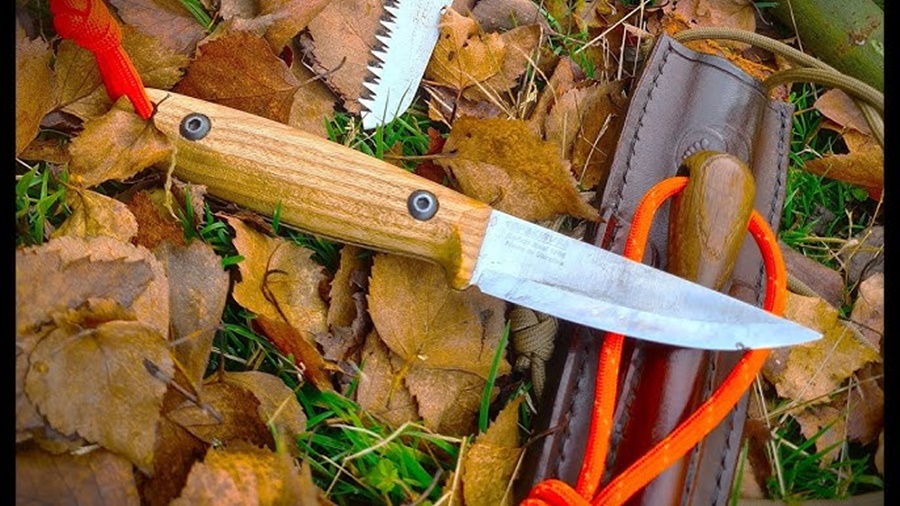
A hunting knife is one of the most important tools for hunters, campers, and outdoor enthusiasts. Whether it is used for field dressing game, cutting rope, preparing food, or survival tasks, a well-maintained knife performs better, lasts longer, and is safer to use. Proper cleaning and maintenance are essential to prevent rust, dullness, and damage. This article explains in detail how to clean, sharpen, store, and care for a hunting knife to keep it in excellent condition.
Importance of Knife Maintenance
Maintaining a hunting knife is not only about appearance it directly affects performance and safety. A dirty or dull blade requires more force to cut, increasing the risk of slipping and injury. Blood, moisture, and dirt can cause corrosion if left on the blade, while poor storage can damage both the knife and its edge. Regular care ensures reliability in the field and preserves the knife for years of use.
Cleaning a Hunting Knife
Cleaning After Each Use
A hunting knife should be cleaned as soon as possible after use, especially if it has been exposed to blood, fat, moisture, or plant sap.
- Rinse the Blade
Use warm water to rinse off dirt and residue. Avoid extremely hot water, as it can damage certain handle materials. - Use Mild Soap
Apply a small amount of mild dish soap and gently scrub the blade using a soft sponge or cloth. For stubborn residue, a soft brush or old toothbrush works well. - Clean the Handle
Pay attention to the handle, especially where it meets the blade. Dirt and moisture often collect in this area. Be gentle with wooden or leather handles. - Avoid Dishwashers
Never put a hunting knife in a dishwasher. The heat, detergent, and movement can damage the blade, handle, and edge.
Drying the Knife Properly
After washing, thoroughly dry the knife with a clean towel. Moisture left on the blade or handle can lead to rust, even on stainless steel. Let the knife air-dry for a few minutes to ensure all hidden moisture is gone.
Preventing Rust and Corrosion
Even stainless steel knives can rust if not properly cared for.
Applying Protective Oil
Once the knife is clean and dry, apply a thin layer of oil to the blade.
- Use food-safe mineral oil if the knife is used for food preparation.
- Lightly coat the blade using a soft cloth.
- For carbon steel knives, oiling is especially important, as they rust more easily.
Checking for Rust Spots
Inspect the blade regularly. If you notice small rust spots:
- Use fine steel wool or a rust eraser to gently remove them.
- Clean and oil the blade immediately afterward.
Sharpening the Hunting Knife
A sharp knife is safer and more effective than a dull one.
Choosing the Right Sharpening Tool
Common sharpening tools include:
- Whetstones
- Sharpening rods
- Manual or guided knife sharpeners
Whetstones provide the most control, while guided sharpeners are easier for beginners.
Sharpening Technique
- Hold the blade at a consistent angle, usually between 15 and 25 degrees.
- Move the blade smoothly across the stone from heel to tip.
- Repeat the process evenly on both sides of the blade.
- Finish with a finer grit to polish the edge.
Sharpen the knife regularly rather than waiting until it becomes extremely dull.
Maintaining the Handle
The handle is just as important as the blade.
Wooden Handles
- Avoid soaking in water.
- Occasionally apply a small amount of linseed oil or mineral oil to prevent drying and cracking.
Synthetic Handles
- Wash with mild soap and water.
- Inspect for cracks or loose fittings.
Leather Handles
- Keep dry whenever possible.
- Treat with leather conditioner to maintain flexibility.
Proper Storage of a Hunting Knife
Short-Term Storage
- Store the knife in a dry place.
- Avoid leaving it in a leather sheath for long periods, as leather can trap moisture.
Long-Term Storage
- Clean and oil the blade before storing.
- Wrap the knife in a soft cloth or corrosion-resistant paper.
- Store in a cool, dry environment away from humidity.
Safety Tips During Maintenance
- Always clean and sharpen the knife away from your body.
- Keep fingers clear of the edge.
- Use cut-resistant gloves if available.
- Work slowly and carefully to avoid accidents.
Conclusion
Cleaning and maintaining a hunting knife is a simple but essential responsibility for any knife owner. Regular cleaning prevents corrosion, proper sharpening ensures safe and efficient cutting, and correct storage protects the knife from long-term damage. With consistent care and attention, a quality hunting knife can remain sharp, reliable, and ready for use for many years. Taking the time to maintain your knife not only improves performance but also ensures safety and longevity in the field.