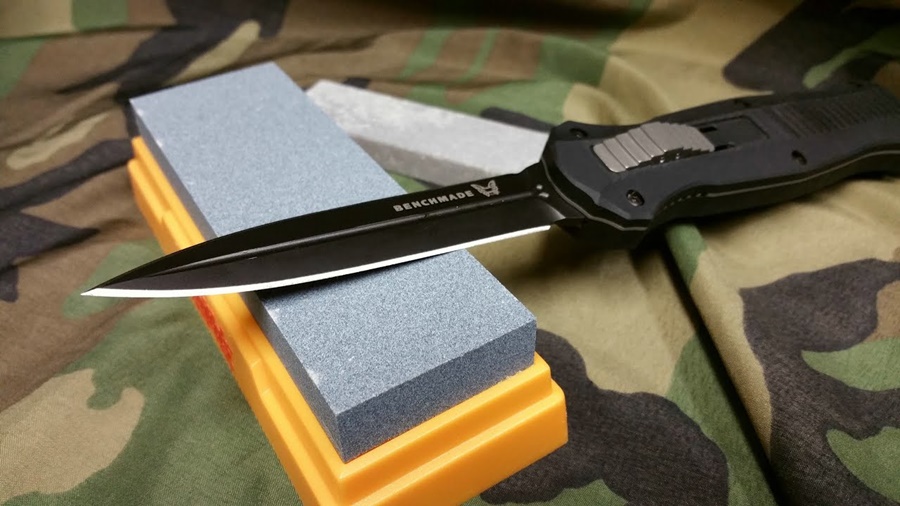
A sharp hunting knife is one of the most important tools for any outdoorsman. Whether you’re field dressing game, preparing camp meals, or handling survival tasks, a dull blade is not only ineffective it’s dangerous. Contrary to popular belief, a dull knife causes more injuries than a sharp one because it requires more force and is harder to control.
This article explains how to safely sharpen a hunting knife, covering preparation, techniques, safety precautions, and maintenance so you can keep your blade razor-sharp without risking injury.
Why Knife Sharpening Safety Matters
Sharpening involves controlled abrasion, but mistakes can easily lead to deep cuts. Common injuries occur when:
- Fingers slide onto the blade
- The knife slips off the stone
- Excess pressure causes loss of control
- The blade is tested improperly
By following proper technique and safety habits, sharpening becomes a safe and rewarding skill.
Tools You’ll Need
Before starting, gather the right equipment:
- Sharpening stone (whetstone) – medium grit (600–1000) and fine grit (3000–8000)
- Non-slip surface – rubber mat, damp towel, or stone base
- Lubricant – water or honing oil (depending on stone type)
- Clean cloth or paper towels
- Cut-resistant glove (recommended for beginners)
- Leather strop (optional) for final polishing
Using proper tools greatly reduces the risk of accidents.
Preparing Your Workspace
Safety begins before the blade touches the stone.
- Choose a stable surface
Work on a table or bench at waist height with good lighting. - Secure the sharpening stone
Place it on a damp towel or rubber mat to prevent slipping. - Clean the knife
Remove dirt, grease, or blood to prevent slipping and contamination. - Position yourself correctly
Stand square to the table with both feet planted for balance.
Never sharpen a knife while distracted or fatigued.
Understanding the Correct Sharpening Angle
Most hunting knives perform best at a 20–25 degree angle.
- Too steep: weak, fragile edge
- Too shallow: dull edge that won’t hold
Simple Angle Guide
- Hold the blade flat (0°)
- Raise the spine slightly—about the height of two stacked coins
- Maintain this angle throughout each stroke
Consistency matters more than perfection.
Step-by-Step: Safely Sharpening Your Hunting Knife
Step 1: Lubricate the Stone
Apply water or oil evenly across the stone’s surface. This:
- Reduces friction
- Prevents metal buildup
- Improves control
Never sharpen a dry stone unless designed for it.
Step 2: Position Your Hands Safely
- Dominant hand: Grip the handle firmly
- Non-dominant hand: Rest fingertips lightly on the blade spine (never the edge)
Keep fingers above and behind the edge at all times.
Step 3: Sharpen Away From Your Body
Always move the blade away from your hand and body, never toward yourself.
- Start at the heel of the blade
- Push forward while moving toward the tip
- Use smooth, controlled strokes
- Apply light to moderate pressure
Repeat 8–12 strokes per side.
Step 4: Switch Sides Carefully
Turn the knife spine-first, not edge-first.
Maintain the same angle and number of strokes on the opposite side to keep the edge even.
Step 5: Progress to a Finer Grit
Once the edge feels consistent:
- Move to a finer stone
- Reduce pressure
- Focus on polishing the edge
This step improves sharpness and edge retention.
How to Test Sharpness Safely
Never test sharpness with your thumb.
Safe Testing Methods
- Paper test: Slice cleanly through paper
- Light reflection: A sharp edge reflects little to no light
- Thumbnail test (advanced users only): Blade lightly grabs without sliding
If it cuts paper smoothly, it’s ready for the field.
Stropping for a Razor Edge (Optional)
A leather strop removes microscopic burrs and increases sharpness.
- Pull the blade backward, spine first
- Never push into the strop
- Use 5–10 strokes per side
Stropping is safe and excellent for maintaining an edge between sharpenings.
Common Mistakes to Avoid
- Sharpening toward your hand
- Using excessive pressure
- Letting the stone slide
- Rushing the process
- Testing sharpness with fingers
Sharpening should be slow, controlled, and deliberate.
Knife Maintenance and Storage Safety
- Clean and dry the blade after sharpening
- Lightly oil carbon steel knives
- Store in a sheath or blade guard
- Never store loose in packs or drawers
A sharp knife deserves safe storage.
Conclusion
Sharpening a hunting knife safely is a skill every outdoorsman should master. With the right tools, proper technique, and attention to safety, you can maintain a razor-sharp blade without injury. Take your time, focus on control, and respect the edge because a well-sharpened knife is both safer and more effective in the field.