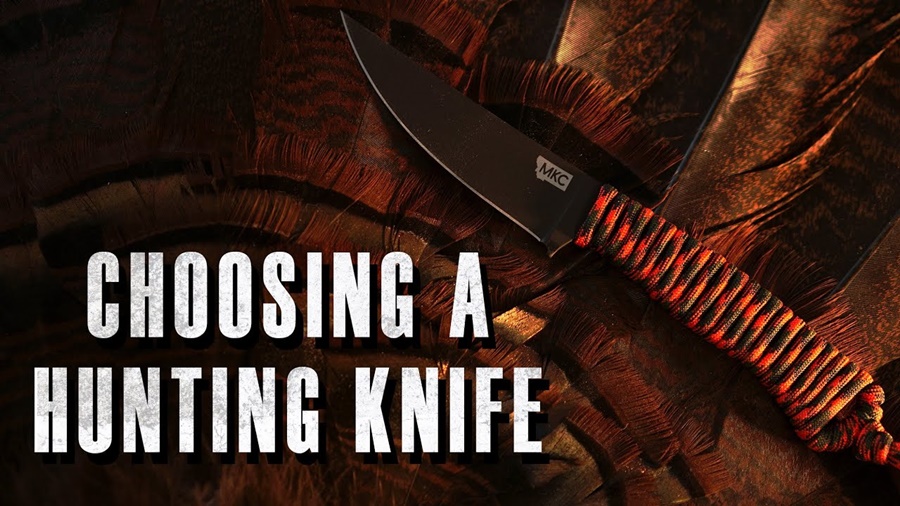
A hunting knife is one of the most important tools a hunter can carry. It is used for field dressing, skinning, cutting rope, preparing food, and many other tasks in the outdoors. Choosing the right hunting knife can improve efficiency, safety, and comfort during a hunt. With so many options available, understanding what to look for is essential. This guide explains the key factors to consider when choosing a hunting knife.
1. Understand the Purpose of the Knife
Before buying a hunting knife, consider how you will use it. Different hunting activities require different knife features.
- Big game hunting often requires a strong blade for field dressing and skinning large animals.
- Small game hunting benefits from a smaller, more precise knife.
- Survival or multi-purpose hunting may require a durable knife that can handle wood cutting, food preparation, and emergency tasks.
Knowing your primary use helps narrow down the best type of knife.
2. Fixed Blade vs. Folding Knife
One of the first decisions is whether to choose a fixed blade or a folding knife.
Fixed Blade Knives
Fixed blade knives have a solid blade that does not fold. They are strong, reliable, and easy to clean.
Advantages:
- Stronger and more durable
- Easier to clean in the field
- Better for heavy-duty tasks
Disadvantages:
- Larger and heavier
- Require a sheath for carrying
Folding Knives
Folding knives have a blade that folds into the handle, making them compact and easy to carry.
Advantages:
- Lightweight and portable
- Safer to carry in a pocket
- Convenient for light tasks
Disadvantages:
- Less strong than fixed blades
- More difficult to clean
For most serious hunters, a fixed blade knife is preferred, while folding knives are suitable for light or backup use.
3. Blade Shape and Design
Blade shape affects how the knife performs specific tasks.
- Drop point blades are the most popular for hunting. They are strong, versatile, and excellent for skinning.
- Clip point blades offer a sharp tip for precision but can be weaker at the point.
- Skinning blades have a curved edge designed specifically for removing hides.
- Gut hook blades include a hook on the spine for opening the animal without damaging internal organs.
A drop point blade is usually the best all-around choice for hunters.
4. Blade Length and Thickness
Blade size matters for control and effectiveness.
- A blade length between 3.5 and 5 inches is ideal for most hunting tasks.
- Shorter blades provide better control for detailed work.
- Thicker blades offer more strength but may reduce precision.
Choose a blade that balances strength and control based on your hunting needs.
5. Blade Material and Steel Type
The type of steel affects sharpness, durability, and maintenance.
Common Steel Types:
- Carbon steel: Holds an edge well and is easy to sharpen, but can rust if not maintained.
- Stainless steel: Resists rust and corrosion, making it ideal for wet conditions.
- High-carbon stainless steel: Combines edge retention with corrosion resistance and is popular among hunters.
Good steel quality ensures the knife stays sharp and reliable in the field.
6. Handle Comfort and Grip
A comfortable handle is critical for safety and efficiency.
- The handle should fit your hand well and feel balanced.
- Non-slip materials such as rubber, textured polymer, or micarta are ideal.
- Avoid handles that become slippery when wet or bloody.
A good grip reduces hand fatigue and helps prevent accidents.
7. Weight and Balance
A hunting knife should feel balanced between the blade and handle.
- A knife that is too heavy can cause fatigue.
- A knife that is too light may lack strength.
Hold the knife before buying if possible to ensure it feels natural and well-balanced.
8. Sheath Quality
The sheath is often overlooked but very important.
- It should securely hold the knife to prevent loss or injury.
- Leather sheaths are traditional and comfortable.
- Nylon or polymer sheaths are lightweight and weather-resistant.
A good sheath allows easy access while keeping the knife safe.
9. Ease of Maintenance
A hunting knife should be easy to clean and sharpen.
- Simple blade designs are easier to maintain.
- Stainless steel requires less care in harsh environments.
- Make sure you have a sharpening method available.
Regular maintenance extends the life of your knife.
10. Budget and Quality
Price does not always equal quality, but extremely cheap knives often lack durability.
- Set a realistic budget.
- Focus on reputable brands known for hunting knives.
- Invest in quality rather than unnecessary features.
A well-made hunting knife is a long-term investment.
Conclusion
Choosing the right hunting knife requires understanding your hunting style, the tasks you will perform, and the features that matter most. By considering blade type, material, size, handle comfort, and overall quality, you can find a knife that is reliable, safe, and effective in the field. A carefully chosen hunting knife not only improves performance but also enhances your overall hunting experience.