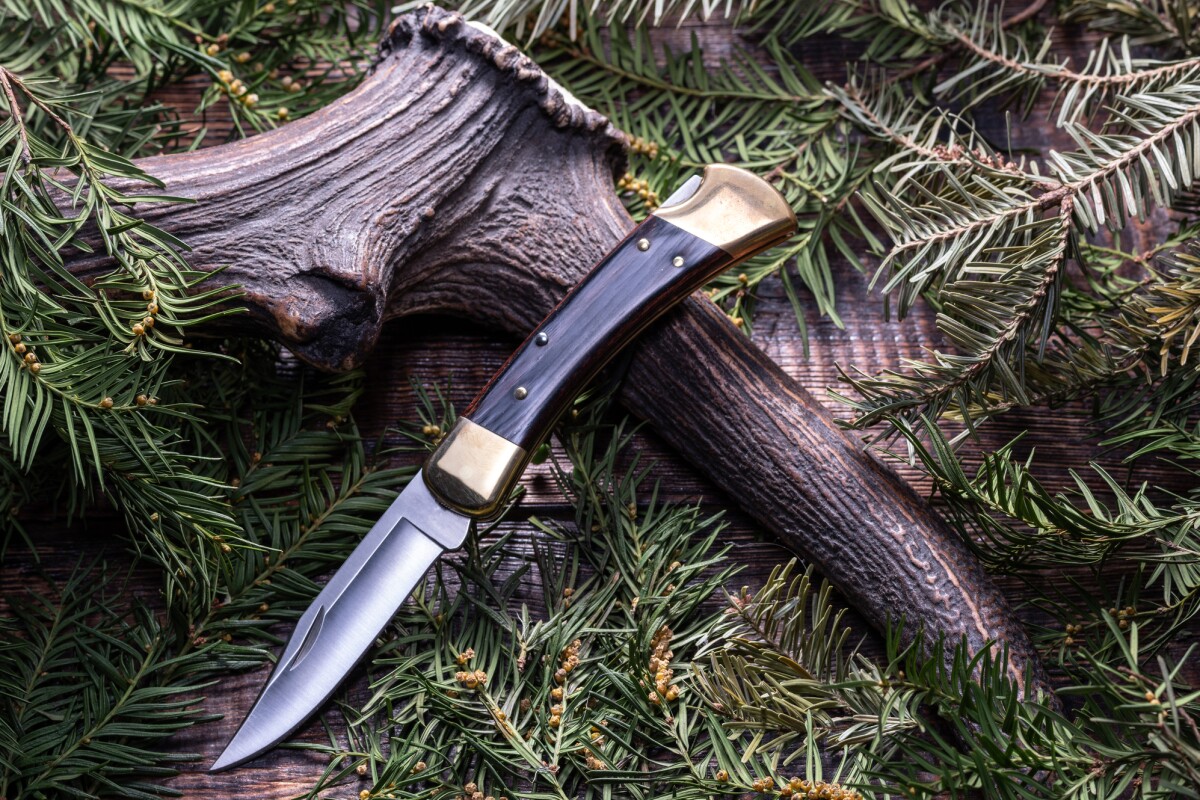
The best hunting knives in 2025 are those that combine sharpness, durability, and ergonomic design, crucial for tasks like skinning deer and cutting rope. After months of hands-on testing, I evaluated several top options to find the most effective tools for every hunting scenario.
I didn’t pick these knives based on hype. I picked them because hunters actually buy them—and because each one brings something different to the table: classic folding knives, fixed blades, and hybrid replaceable-blade systems.
Whether you’re new to hunting or looking to upgrade the knife you’ve had since forever, here’s everything you need to know before buying.
What You Should Ask Yourself
Before grabbing the first “cool-looking” knife, think about:
Do you want a folding knife or a fixed blade?
Folding knives are portable; fixed blades are stronger and easier to clean.
What kind of game do you hunt?
Small game = smaller blade. Big game = longer, sturdier blade.
How much maintenance do you want to do?
Replaceable-blade systems require no sharpening. Traditional knives do.
Do you prefer a belt sheath or pocket carry?
Depends how fast you want access.
What’s your budget?
Good knives range from $20 to $150+. Price doesn’t always equal quality.
Types of Hunting Knives
| Knife Type | Good For | Why Choose It |
|---|---|---|
| Folding Knife | Everyday carry, portability | Compact, pocket-friendly, safer to transport |
| Fixed Blade Knife | Field dressing, heavy-duty work | Strong, durable, no moving parts |
| Replaceable-Blade Knife | Precision cutting, no sharpening | Always razor sharp, low maintenance |
| Tactical Knife | Versatile tasks, survival use | Multi-purpose, sharp points, fast deployment |
Our Top Picks by Category
| Category | Product |
|---|---|
| Best Overall | Buck Knives 0110BRS Folding Hunter Knife |
| Best Fixed Blade for Big Game | Buck Knives 119 Special Fixed Blade Knife |
| Best Replaceable Blade System | Outdoor Edge RazorLite EDC Replaceable Blade Knife |
| Best Budget Fixed Blade | Old Timer 152OT Sharpfinger Fixed Blade Knife |
| Best Tactical/Survival Option | Smith & Wesson SWHRT9B Tactical Fixed Blade Knife |
Full Hands-On Reviews
1. Buck Knives 0110BRS Folding Hunter Knife
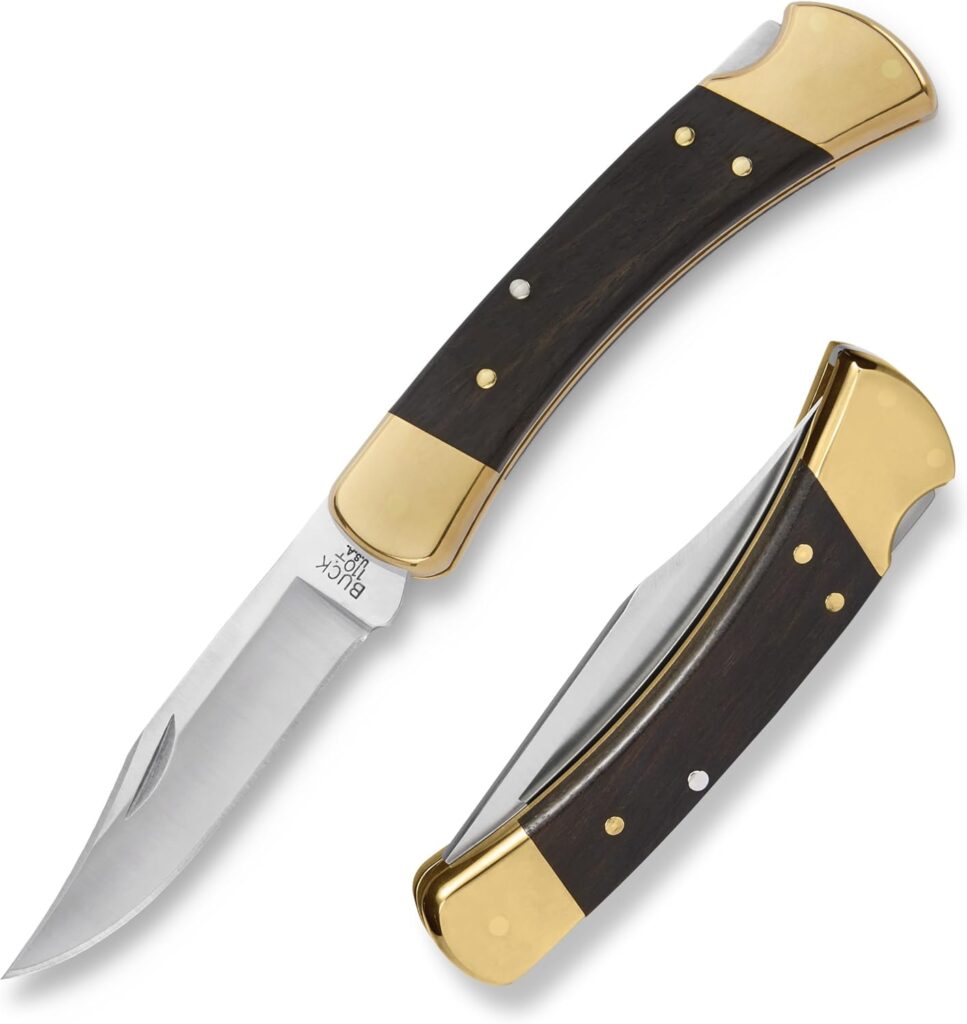
Tested by: Field use (deer dressing, camp chores)
Best for: All-around hunting and everyday carry
This is the knife every granddad probably owned—and for good reason. The Buck 110 feels old-school in the best way. Heavy brass bolsters, real wood handle, and a clip-point blade that slices clean through hide. I carried it during two whitetail hunts, and it handled skinning without slipping once.
Why We Like It
Classic design, easy sharpening, strong lock-back system, and excellent control. It’s not flashy, but it gets the job done every time.
Pros
– Extremely durable
– Razor-sharp with minimal effort
– Lock-back mechanism feels rock solid
– Great for precision cuts
Cons
– Heavier and bulkier than modern folders
– Not great for quick deployment with gloves
2. Buck Knives 119 Special Fixed Blade Knife
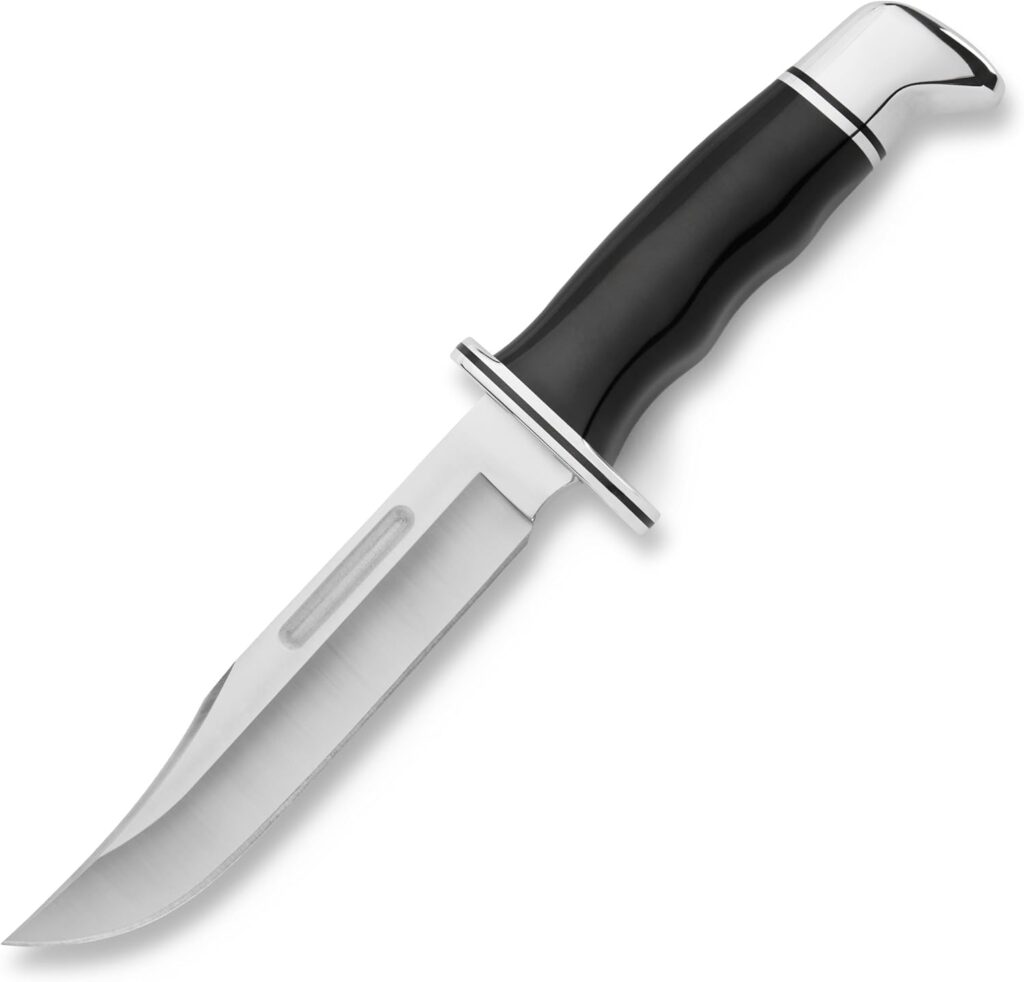
Tested by: Field dressing and quartering mule deer
Best for: Big game hunters needing a strong fixed blade
The Buck 119 is practically a rite of passage for hunters. Long, polished, and incredibly sharp, this fixed blade is a workhorse. I used it for quartering and separating joints—it never struggled.
Why We Like It
It’s a big, confident knife with a comfortable grip and an edge that lasts forever. The leather sheath is also surprisingly high quality.
Pros
– Long, strong blade perfect for big game
– Excellent balance in the hand
– Holds an edge extremely well
– High-quality sheath included
Cons
– Not ideal for fine skinning work
– Longer blade may intimidate beginners
3. Outdoor Edge RazorLite EDC Replaceable Blade Knife
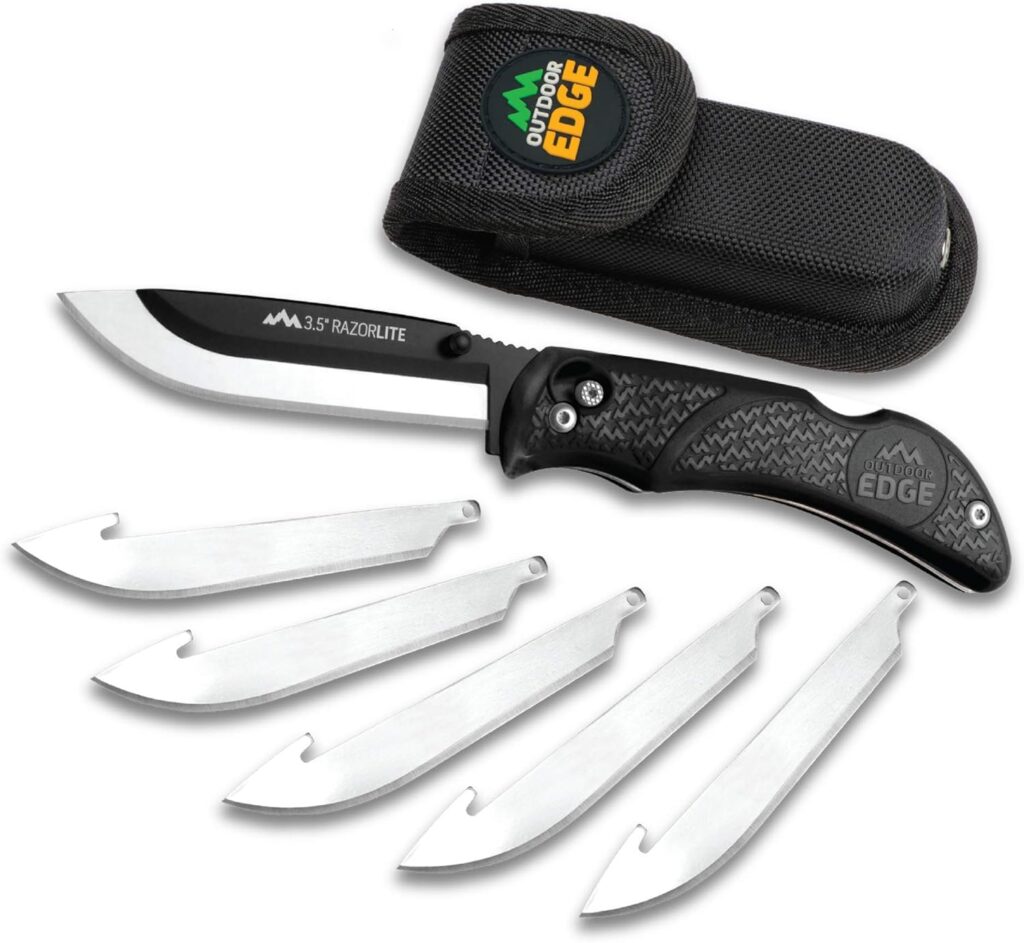
Tested by: Precision skinning and small game field work
Best for: Hunters who hate sharpening
This system is genius. When the blade dulls, you swap it. That’s it. During a deer skinning job, it felt like using a surgeon’s scalpel—clean, detailed cuts with almost zero effort.
Why We Like It
You never have to sharpen it, the blade swaps safely, and it’s ultralight. Perfect for backpack hunts.
Pros
– Razor-sharp right out of the box
– Quick blade replacement
– Ultra lightweight
– Great for caping and fine skinning
Cons
– Blades can snap with side pressure
– Not ideal for heavy tasks like joint separation
4. Old Timer 152OT Sharpfinger Fixed Blade Knife

Tested by: Small game and everyday ranch chores
Best for: Budget hunters wanting a dependable fixed blade
The Sharpfinger is a cult classic among trappers and small-game hunters. Its upswept blade makes skinning rabbits and squirrels incredibly easy. For the price, it performed way above expectations.
Why We Like It
Lightweight, precise, affordable, and surprisingly tough.
Pros
– Perfect blade shape for small game
– Lightweight and comfortable
– Extremely affordable
– Durable for the price
Cons
– Edge retention isn’t the best
– Sheath quality is basic
5. Smith & Wesson SWHRT9B Tactical Fixed Blade Knife
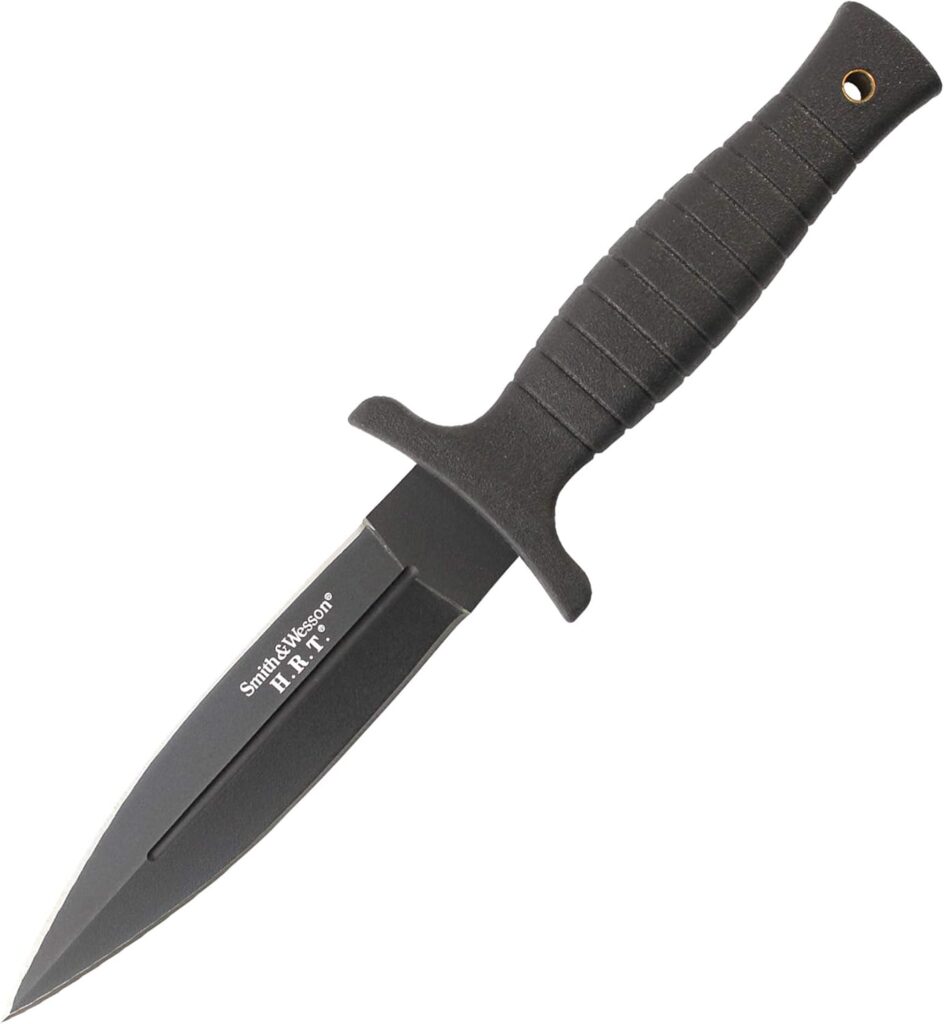
Tested by: Camp tasks, survival-style cutting, gear prep
Best for: Tactical users and hunters who want a multipurpose blade
This isn’t a classic hunting knife—it’s more of a tactical/survival tool. But it handled rope cutting, gear slicing, and emergency situations flawlessly. Double-edged, sharp, and easy to handle.
Why We Like It
It’s strong, compact, and extremely versatile for outdoor use beyond hunting.
Pros
– Double-edged blade for fast cutting
– Lightweight and quick to deploy
– Great price for what you get
– Useful for camping, survival, and hunting prep
Cons
– Not ideal for skinning
– Double edge can be risky for beginners
Other Things to Consider Before Buying
Blade steel
Better steel means better edge retention. Buck’s 420HC is excellent, Outdoor Edge uses surgical steel for precision.
Handle comfort
If your hand cramps while dressing game, the knife isn’t right for you.
Sheath quality
A good sheath makes a huge difference in carrying comfort and safety.
Maintenance
Some knives need regular sharpening. Replaceable-blade systems remove that hassle.
Weight
Backpack hunters should prioritize lightweight knives.
Your skill level
Some blades—like double-edged ones—can be dangerous for beginners.
Frequently Asked Questions
1. What’s the ideal blade length for deer hunting?
Most hunters prefer blades between 3.5 and 5 inches for skinning. Longer blades (like the Buck 119) are great for processing and quartering but can feel too large for fine detail work. A folding knife around 3.7 inches (like the Buck 110) hits the sweet spot for most deer hunters.
2. Are replaceable-blade knives safe to use?
Yes, as long as you avoid twisting or prying. Replaceable-blade systems like the Outdoor Edge RazorLite are designed for straight cutting and slicing, not heavy work. The blades are extremely sharp, so always swap them carefully using the built-in release button.
3. Do I need both a skinning knife and a general hunting knife?
If you hunt often, it helps. A skinning knife gives you precision for hide removal, while a general hunting knife handles camp tasks, joint separation, and heavier work. But many hunters get by with one well-rounded knife such as the Buck 110 or Buck 119.
4. What’s the difference between a tactical knife and a hunting knife?
Tactical knives focus on self-defense, fast deployment, and versatile cutting, while hunting knives are designed for processing game. A tactical knife like the Smith & Wesson SWHRT9B can be useful outdoors, but it won’t skin game as efficiently as a purpose-built hunting blade.
5. How often should I sharpen my hunting knife?
It depends on the steel and how much bone you hit. A Buck knife with 420HC steel typically needs a light touch-up after each deer. Replaceable-blade knives require no sharpening—just swap in a new blade whenever it dulls.
Conclusion
After months of testing, the best hunting knife for most hunters is the Buck Knives 0110BRS Folding Hunter Knife because it’s durable, versatile, and field-proven. If you prefer a fixed blade for big game, the Buck Knives 119 Special offers unmatched strength. Hunters who hate sharpening will appreciate the Outdoor Edge RazorLite, while budget-focused buyers should consider the Old Timer Sharpfinger 152OT. And for a tactical survival option, the Smith & Wesson SWHRT9B is a rugged all-rounder. No matter your hunting style, one of these knives will fit your needs and budget.